

From the chemical recycling of polyester with Reju, to Aquafil's 100 percent recycled nylon, to Vibram and Rubber Conversion's high-performance rubber: the technologies and partnerships that anticipate the new European legislation on Extended Producer Responsibility.
The European Union generates about 7 million tons of textile waste each year (source: European Environment Agency, "Textiles in Europe's circular economy", 2024), and only 15 percent is actually collected separately for reuse or recycling.
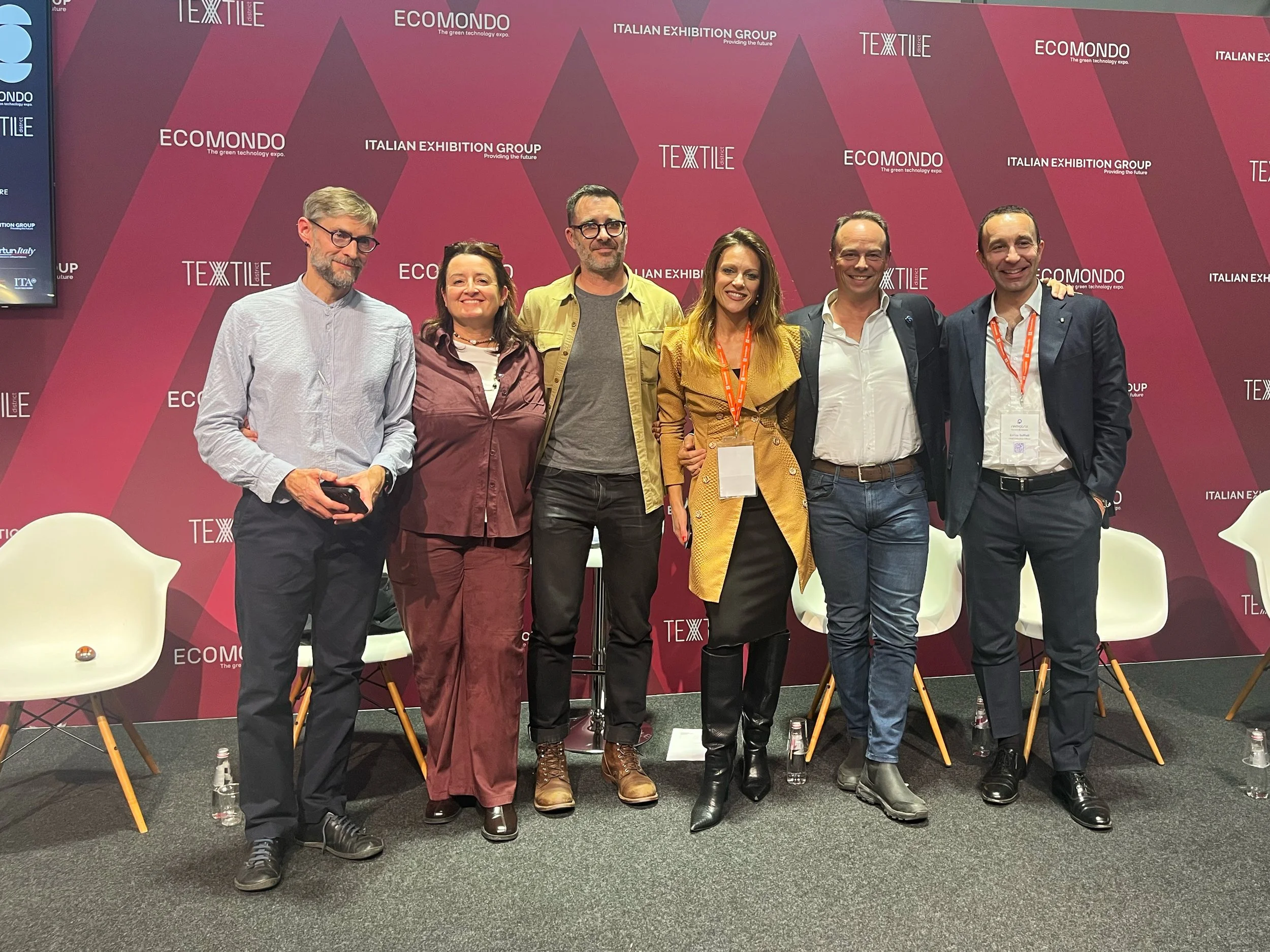
In this context, theRematrix “ Producer Responsibility Organization ” brought together Italian and international companies involved in the recycling of various materials at Ecomondo to demonstrate how Extended Producer Responsibility (EPR) —for which the European Directive has already been published and whose implementing decree in Italy is expected in early 2026—can immediately become a tool for competitiveness, capable of fostering sustainable circular supply chains.
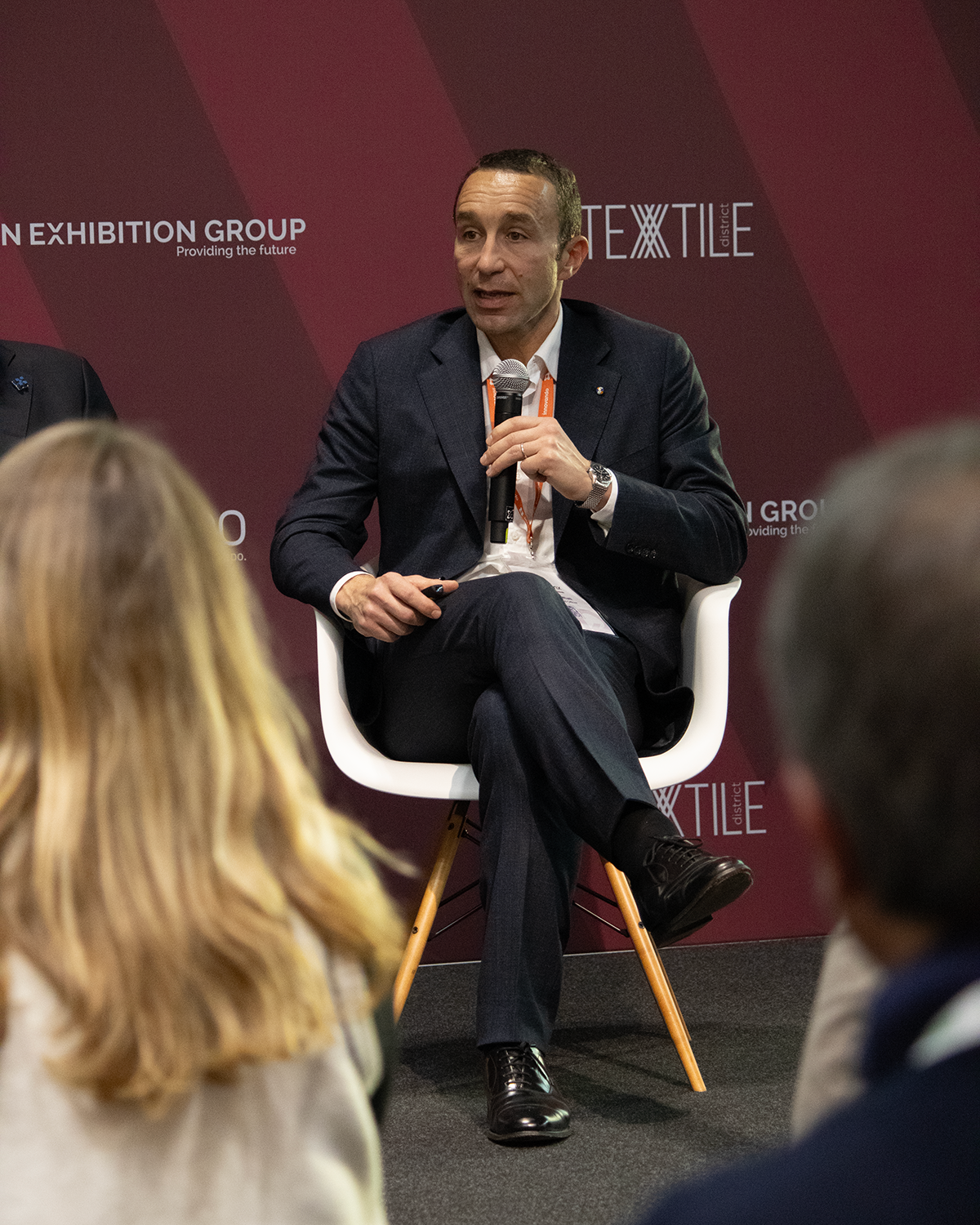
Enrico Soffiati, CEO of Rematrix
Enrico Soffiati, CEO of Rematrix, opened the meeting by emphasizing that EPR should be viewed“not simply as a compliance requirement, but as an active approach to end-of-life management, aimed at repurposing waste as a secondary raw material for the eco-design of new textiles. “This is consistent with European objectives to reduce the use of fossil fuels and to build a circular economy that is sustainable from an environmental, economic, and social perspective.”
Producer Responsibility Organization 's proposal is based on three pillars:
digitization of data and workflows,
industrial-scale production line
concrete circular projects — also implemented by the managing partner, Innovando
which demonstrate the ability to process a variety of materials, from leather to rubber and other natural or synthetic fibers.
Speeches by the companies participating in the panel showed in complementary ways how Rematrix is already able to activate circular supply chains across multiple materials, thanks to mature technologies and structured industrial collaborations.
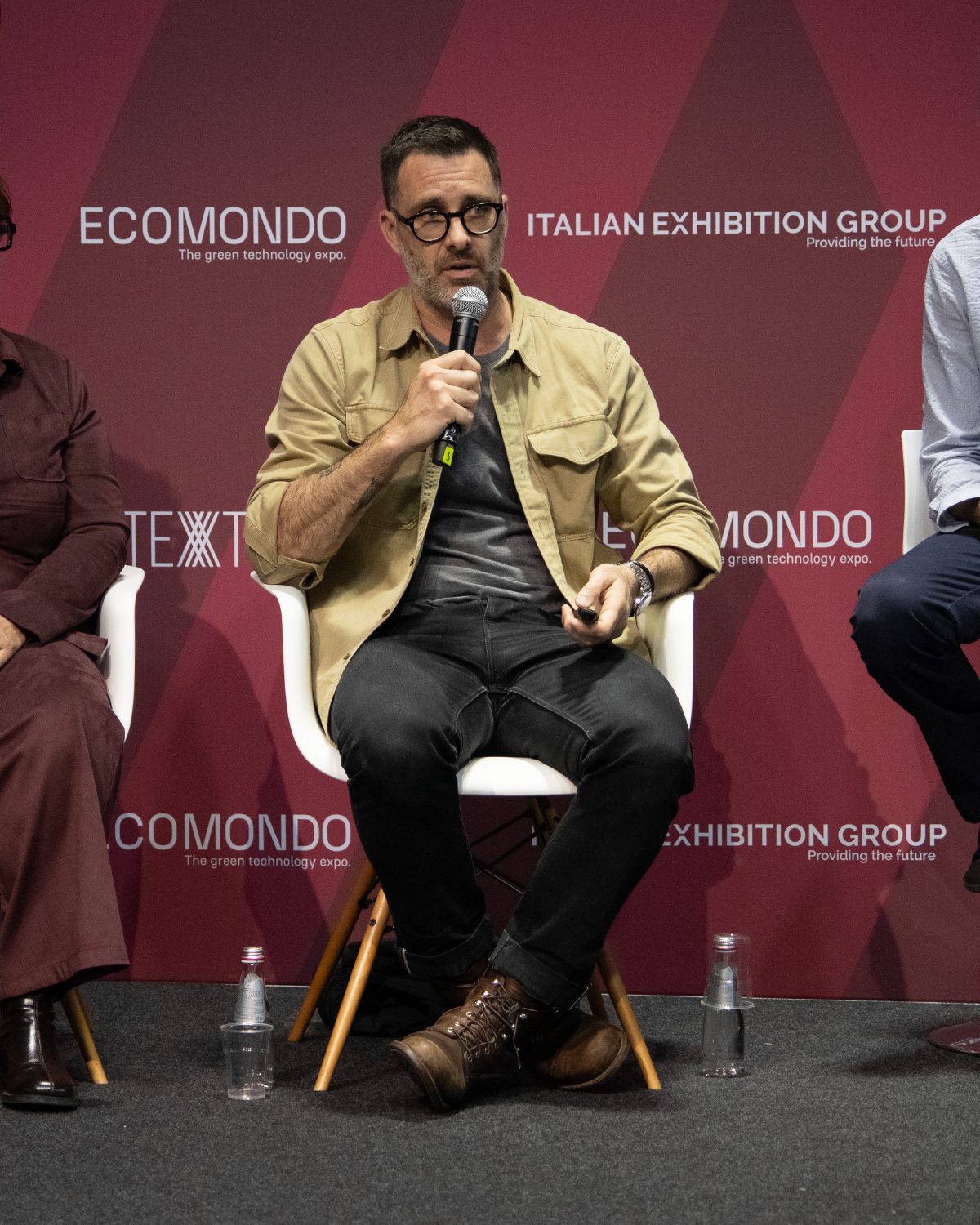
Gianluca Pandolfo, Head of Sales and Business Development EMEA at Reju
Reju: chemical innovation for polyester recycling
In his remarks, Gianluca Pandolfo, Reju's Head of Sales and Business Development EMEA, recalled the global dimension of the problem: each year only 1 percent of the textile waste generated worldwide is recycled in the textile market itself. "Post-consumer textile waste is a man-made problem, and that is precisely why we can change it," he said.
Pandolfo presented its proprietary and innovative process for the chemical regeneration of polyester, which removes the impurities typically found in mechanically recycled material and produces a material with the same quality as virgin polyester.
Within this supply chain, Rematrix ensures the supply of sorted and certified textile waste, which is essential to the efficiency of the process.
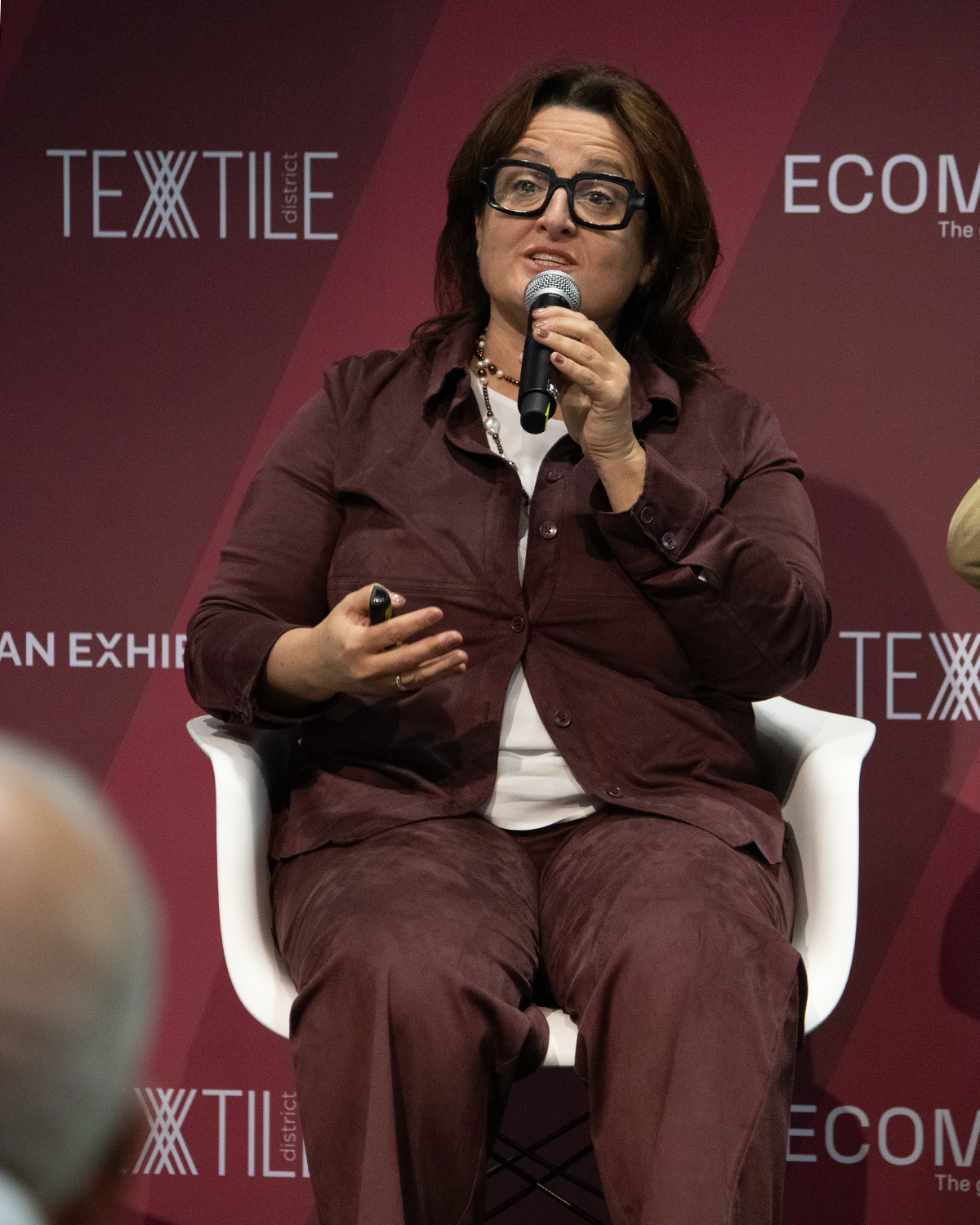
Cristina Stefani, Marketing of Circularity Projects at Aquafil
Aquafil: the global model of ECONYL reclaimed nylon
Cristina Stefani, Marketing Manager for Circularity Projects at Aquafil, outlined the potential of ECONYL® regenerated nylon, which is produced through a proprietary chemical recycling process that depolymerizes and purifies nylon 6 waste such as fishing nets, carpeting, and textiles.
“Our technology makes it possible to produce nylon that is identical to that derived from fossil fuels—nylon that is not only 100% made from waste but also infinitely recyclable, ”Stefani explained.
Aquafil's circular economy projects span the entire downstream value chain, involving brands, designers, architects, and end users, as well as manufacturers and companies from various sectors in initiatives focused on the collection and development of new products.
The partnership with Rematrix is part of this ecosystem, promoting the creation of more integrated and fully traceable supply chains.

Marco Guazzoni, Global Sustainability Director, Vibram
Vibram: durability and innovation for more sustainable soles
Marco Guazzoni, Global Sustainability Director at Vibram, explained the role of durability as a guiding principle in the production of the company's soles. "A sole that lasts longer reduces the environmental impact of the entire life cycle," said Guazzoni.
Vibram, in its range of high-performance rubber soles, has been experimenting since 1994 with Ecostep Recycle, products with rubber containing 30 percent waste material , and has been experimenting for years with innovative compounds from industrial waste, as well as industrial symbiosis projects with external partners.
The company emphasized how partnerships and appropriate regulatory framework can facilitate the scalability of recycling projects in the footwear sector, especially since there is no shortage of ideas, but end-of-life logistics costs is the barrier that has limited opportunities to date. Rematrix can help in efficiently building and managing the necessary supply chains.
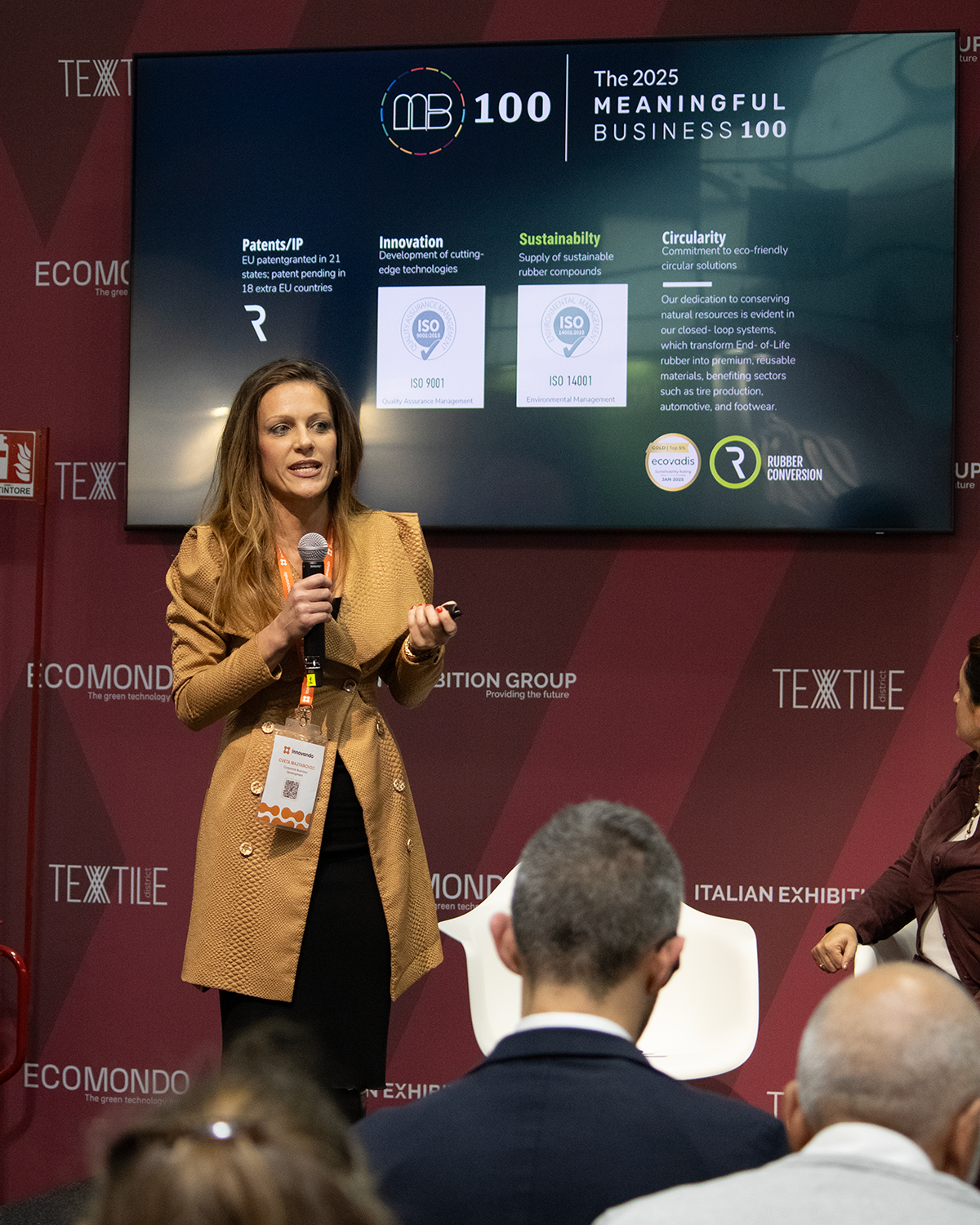
Cveta Majtanovic, chief sustainability officer of Rubber Conversion
Rubber Conversion: devulcanization to close the rim of the tire
Cveta Majtanovic, Chief Sustainability Officer of Rubber Conversion, presented devulcanization technology, based on low-temperature mechanochemical processes. The technology, chemicals and final compounds are protected by a strong international patent portfolio. "The resulting devulcanized material can replace up to 50 percent of virgin rubber in new compounds for footwear and up to 25 percent in those for tires and automotive components, while maintaining equivalent mechanical properties," Majtanovic said.
The company offers an integrated portfolio of solutions that includes SRC (Sustainable Rubber Compounds) devulcanized compounds, the RDS (Rubber Devulcanization Service) for pre- and post-consumer waste, and the modular LOGOS® Plug & Play systems with a Technology Licensing Program, available with capacities ranging from 400 to over 1,000 kg/h.
Through these systems, end-of-life rubber is reintroduced directly into production processes, ensuring optimal performance in terms of color, viscosity, molding processes, and material flow. Finally, the collaboration with Rematrix makes it possible to develop multi-material supply chains and accelerate the transition from linear to fully circular models.
EPR as industrial leverage
In closing, Soffiati reiterated that“the technologies presented demonstrate how advanced recycling—from digital recycling to chemical regeneration and devulcanization—is already an industrial reality. Once introduced, EPR will make it possible to scale up these projects and transform them into an integral part of companies’ business models, where waste is poised to become a valuable secondary raw material.”
According to Soffiati, the full effectiveness of the legislation will depend on the ability to build collaborative and robust supply chains that combine environmental sustainability and economic competitiveness.

The Rematrix Booth at Ecomondo 2025