

Textile take-back is not just about collecting used clothing: it is a point of contact with consumers, a source of data, and a tangible competitive advantage. With the advent of EPR and the Digital Product Passport, those who build an efficient collection and recovery supply chain today will be more competitive tomorrow.
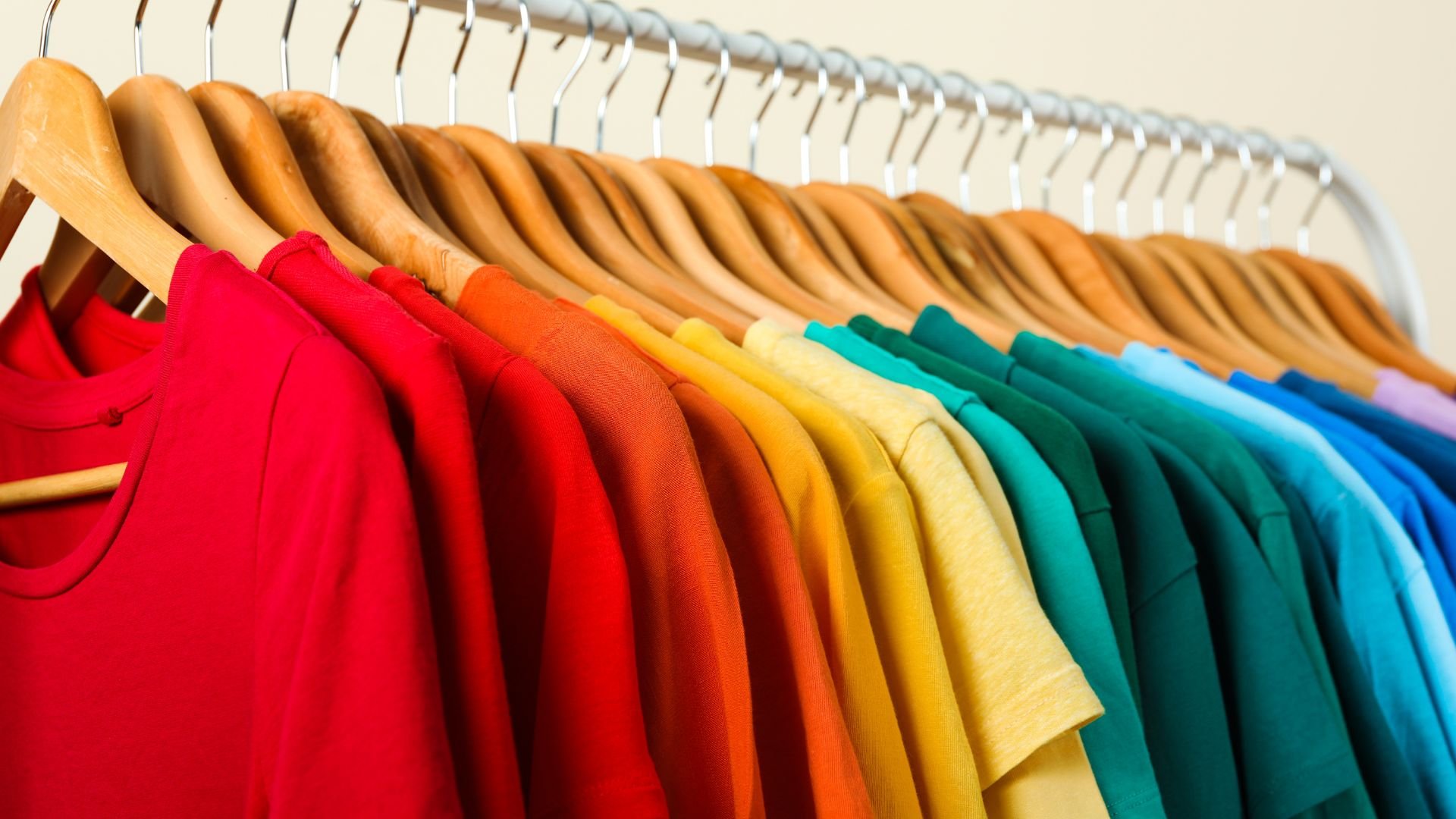
The evolutionof the circular economy is transforming take-back programs from simple sustainability initiatives into strategic levers for brands and retailers. The most effective programs do more than just collect used products: they strengthen customer relationships, generate data, fuel new supply chains, and prepare companies for future regulatory changes.
Take-back creates value even before compliance
The main benefit of a take-back program is not compliance with a regulatory requirement, but the ability to create value for the business. Each return represents a new point of contact with the consumer and can be integrated with loyalty programs, incentives, after-sales services, and engagement campaigns. This increases foot traffic in stores, strengthens customer loyalty, and offers new business opportunities.
Why this issue is bound to grow
The introduction of Extended Producer Responsibility (EPR) for textiles, along with the Ecodesign Regulation and the Digital Product Passport, will make the ability to organize systems for the collection and recovery of end-of-life products increasingly important. Companies that get started today will develop expertise, data, and partnerships that will give them a competitive advantage.
The collection is just the beginning
The best European models demonstrate that value is created through the integration of collection, reverse logistics, sorting, reuse, recycling, and traceability. An efficient supply chain makes it possible to measure environmental performance and recover the maximum possible value from materials.
Best Practices | LIFE RESHOES
A concrete example is LIFE RESHOES, a European project developed by SCARPA in collaboration with Innovando, which has piloted a supply chain dedicated to the collection, traceability, and recycling of end-of-life footwear.
In-Depth Look: Official LIFE RESHOES Page
Key Takeaways
Take-back is a business driver even before it is a compliance driver;
Customer engagement and in-store traffic are among the main benefits;
Collection must be complemented by an efficient circular supply chain;
European best practices show that preparing today means being more competitive tomorrow.
Conclusions
Companies that approach product take-back with an industrial vision build a lasting competitive advantage. Partners capable of integrating regulatory expertise, digital tools, and supply chain development can support this transformation, turning future compliance into a concrete opportunity for innovation and circularity.