

Production waste, returns, unsold inventory, and end-of-life products: for years, these have been managed as separate categories. Today, European regulations and the push toward circularity require an integrated approach. Discover how to transform every product stream into a driver of operational efficiency and economic value.
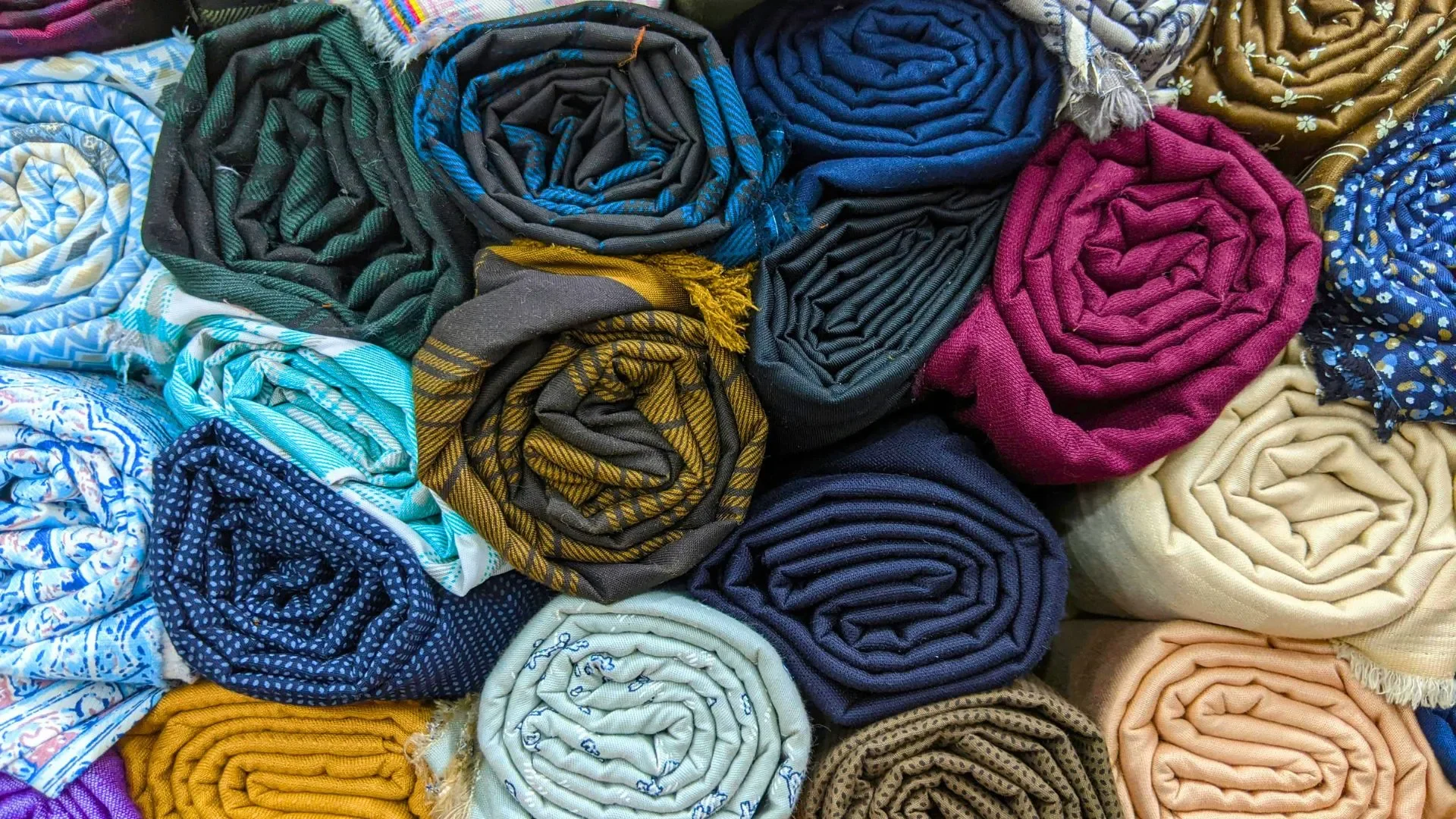
Companies don't just deal with products to sell
When discussing the circular economy, the conversation often centers on waste. In reality, for a company in the fashion industry, the challenge begins much earlier.
Throughout the life cycle of a collection, numerous material streams are generated that do not follow the normal sales path: production scraps, unused components, defective garments, returns, unsold inventory, products recalled from the market, and, finally, items that have reached the end of their life.
For years, these streams have been managed separately by different business functions with different objectives. Today, this approach is no longer sufficient. New European regulations, combined with a growing focus on circularity, require integrated management of the entire product lifecycle.
From the Concept of Waste to the Concept of Value
The question shouldn’t be “When does a product become waste?” but rather “What’s the best way to preserve its value?”
Every product should follow a hierarchy of resource recovery: continue to be sold, find a place in outlet stores or marketplaces, be sold as secondhand, be donated, repaired, or refurbished, and only when none of these options is feasible should it be sent for recycling or, as a last resort, energy recovery.
Waste, therefore, represents the final stage of a process, not the starting point.
Because it's a business issue
Properly managing these flows means reducing tied-up capital, logistics and inventory costs, write-downs, and disposal costs. It also means recovering economic value from materials, improving ESG metrics, and reducing reputational risk.
Product flow management is no longer just an environmental responsibility—it is a driver of operational efficiency and competitiveness.
Data as an Enabling Factor
To make effective decisions, it is necessary to know the quantity, composition, destination, and value of the various material streams. Many companies still do not have this information in a structured format.
Systematic data collection makes it possible to identify key areas of inefficiency, measure results, support ESG reporting, and prepare for the requirements of the Digital Product Passport and EPR.
A single supply chain for pre- and post-consumer materials
Production waste, returns, unsold inventory, and end-of-life products are often managed as separate categories. In reality, they share many of the same skills, infrastructure, and technologies.
An efficient circular supply chain should be able to manage all these streams, maximizing value recovery and directing each product toward the most appropriate solution.
The Role of Rematrix
Rematrix supports manufacturers in building an integrated product flow management system by providing an ecosystem of partners, expertise, and digital tools to improve traceability, data collection, and material recovery.
The goal is not simply to manage waste, but to help companies transform non-commercialized product flows into a driver of efficiency, sustainability, and competitiveness.
Conclusions
Product flow management will become one of the key differentiators for fashion companies in the coming years. Those who can manage it effectively using reliable data, traceability, and industrial partnerships will not only comply with new regulations but also build a lasting competitive advantage, transforming circularity from an operating cost into an opportunity to create value.